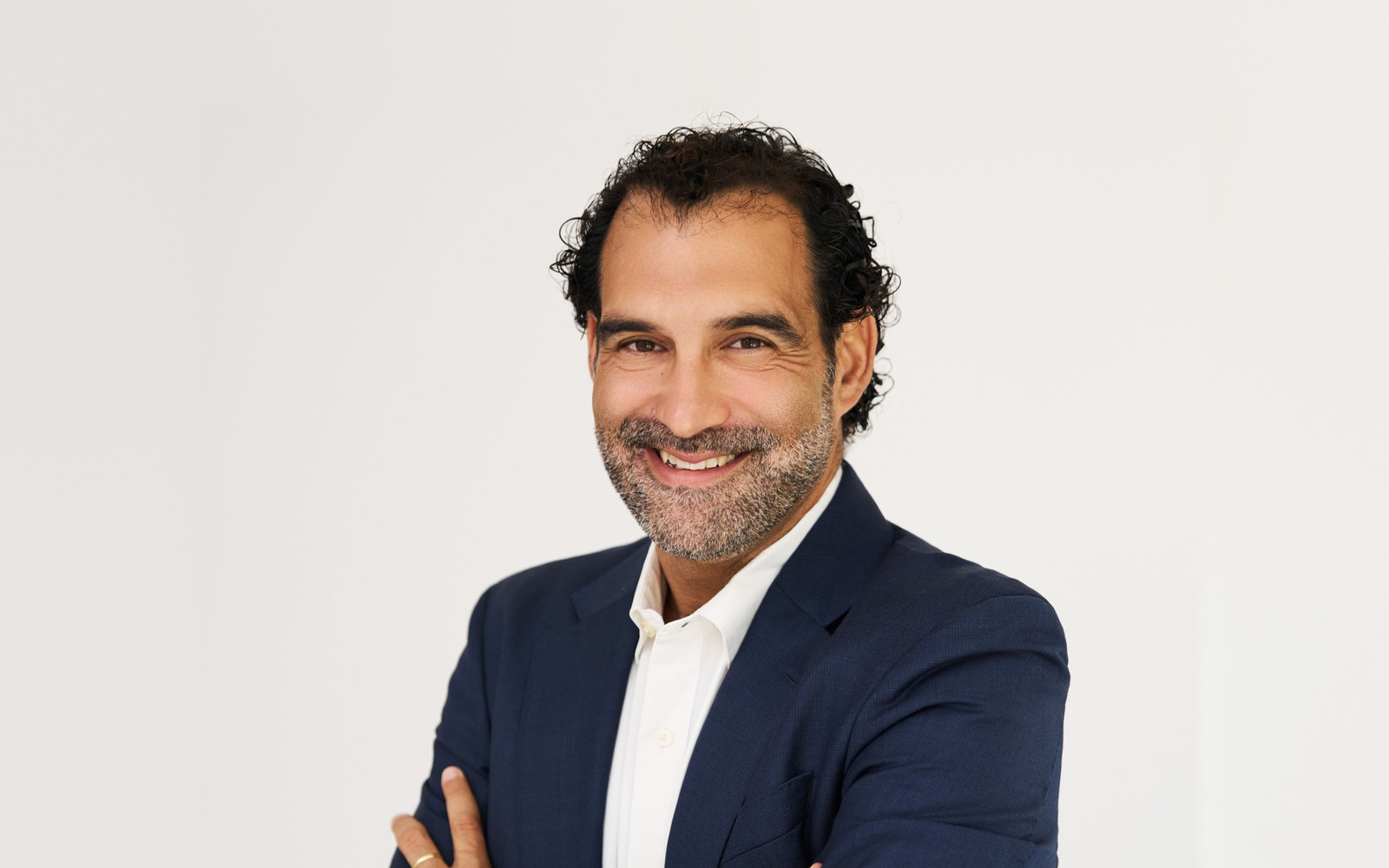
Omar Saif, Vice-President, GCFC
Ahead of the Conference, GWI has asked thought leaders what their expectations are - and who they'd like to have dinner with.
Emilie Filou
16 November 2026
1. What can this conference achieve that others have failed to?
It’s no coincidence that the conference overlaps with Abu Dhabi Finance Week: the aim is to bring together two communities that don’t often work together. There is a gap between the ambition for water and what gets invested, and closing it starts with giving the water community a clearer picture of where commercial finance can come in, and where its limits are. It also means showing investors that the opportunity is wider than utilities, from watershed restoration to flood protection. A conference can’t fix everything, but partners who keep working together beyond it would be its legacy.
2. What single announcement, decision or deal would make the conference worthwhile for you?
I’d like to see a public water utility in an emerging market borrow in its own currency, from its own country’s pension funds, without a sovereign guarantee behind it. It sounds modest next to a billion-dollar pledge, but I think it would matter more. It would show that a well-run utility can stand on its own revenues, and that international capital is sometimes most useful as a guarantee rather than as the loan itself. One deal like that, with the numbers made public, would give every other utility and regulator something real to point to.
3. What are you bringing to Abu Dhabi: a commitment, a deal, or an ask?
Both an ask and something practical to back it up. What we’re bringing is a method: guidance on how to translate national water priorities into something a financier can assess. It comes in two parts: a diagnostic tool we’re announcing at the conference, built on the Water Finance Framework we developed with Water.org, and the compact clinics we’ve launched with our partners. My ask goes both ways. To the water community: bring projects with their numbers, including the uncomfortable ones. To investors: tell us plainly what would need to change for you to say yes.
I’d rather leave with ten honest answers than one more pledge.
4. What is the biggest obstacle to money reaching the sector, and who has the power to remove it?
Revenue, or more precisely, who pays. Many utilities don’t collect enough to cover their costs, and for services like watershed restoration, water quality or flood protection, the companies that benefit downstream rarely pay. Finance ministers and regulators can fix the first part through tariffs and better-run utilities. The second needs corporates willing to sign long-term payment contracts, and structures standard enough that a bank doesn’t start from zero each time. Commercial finance may remain a modest share, but it should be a normal one across every kind of water service.
5. Who would you invite to your dream UN Water Conference dinner?
A small table, and nobody allowed a speech. Tharman Shanmugaratnam and Ngozi Okonjo-Iweala, because they’ve both run finance ministries and think seriously about water. Ek Sonn Chan, who turned Phnom Penh’s utility around when few believed it could be done. Matt Damon, because Water.org has shown what happens when you lend small amounts to households and trust them to repay. And a pension fund CIO who has lost money on a water utility and is willing to talk about why. I’d mostly listen.