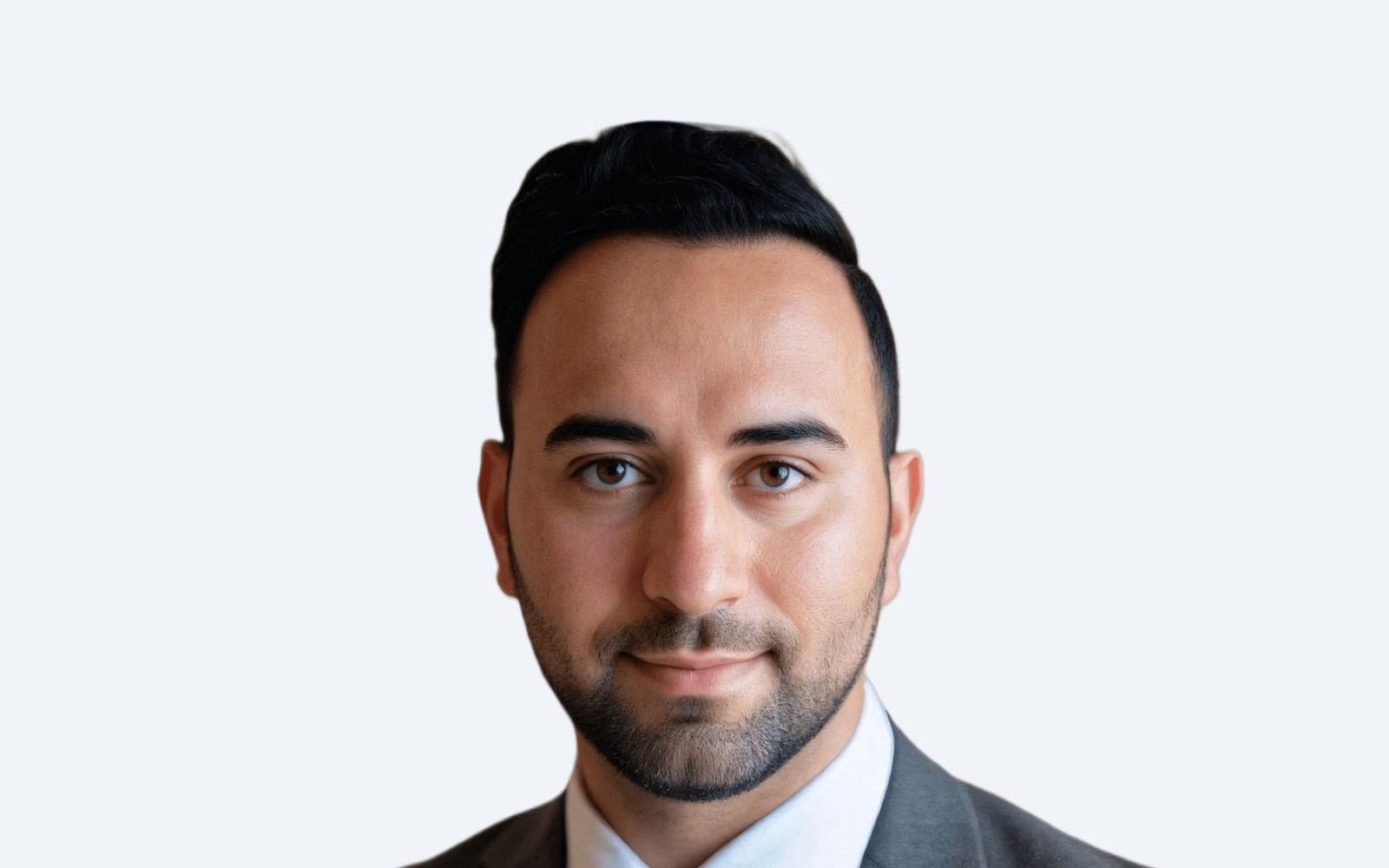
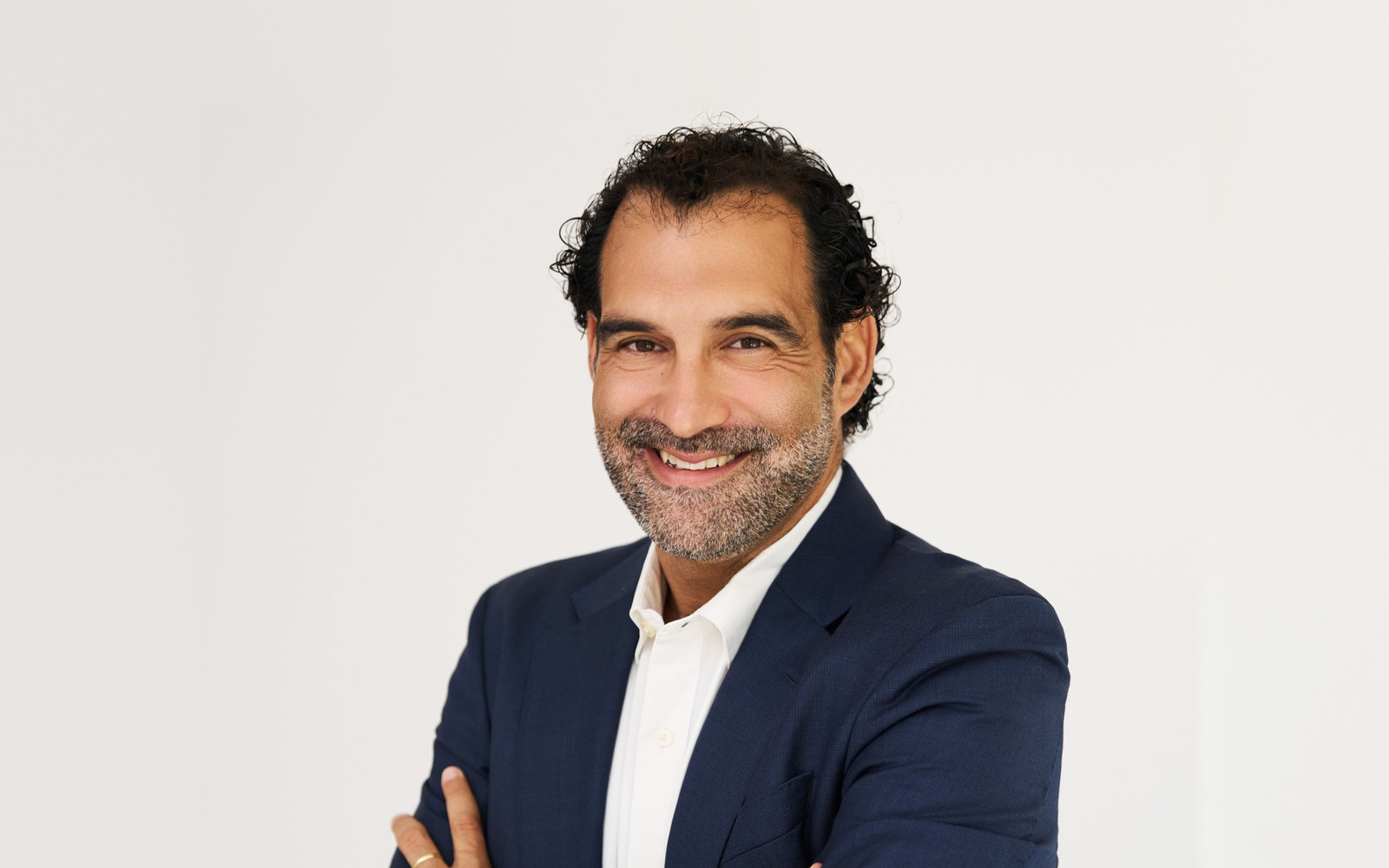
Noam Komy, executive chairman, Miya Water
Ahead of the Conference, GWI has asked thought leaders what their expectations are - and who they'd like to have dinner with.
Emilie Filou
18 November 2026
1. What can this conference achieve that others have failed to?
It could have the courage to stop pretending that another declaration is progress.
The 2023 conference generated more than 700 voluntary commitments. Fine. Now tell us which were delivered, who paid for them and what changed on the ground. I would rather see 10 funded, independently measured interventions than another thousand promises.
The water sector has built an impressive conference industry around a relatively unimpressive delivery record. If Abu Dhabi makes accountability fashionable, it will already be a breakthrough.
2. What single announcement, decision or deal would make the conference worthwhile for you?
A joint decision by the major development banks: no new supply project gets approved without independently demonstrating why rehabilitation, leakage reduction and efficiency cannot deliver the same water more cheaply. Not a blanket ban, just the discipline any serious investor would apply to their own money.
We applaud billion-dollar plants while ignoring millions of cubic metres disappearing from existing networks. If they announced that rule, with transparent public reporting, it would be worth more than another hundred declarations.
3. What are you bringing to Abu Dhabi: a commitment, a deal, or an ask?
An ask — and an offer.
At Miya, we have spent years taking responsibility for outcomes rather than selling equipment and disappearing. Give capable operators contracts that reward water saved, collections improved and service delivered, with independent measurement and rules governments cannot rewrite the moment they become politically uncomfortable.
We are prepared to shoulder performance risk. We are not prepared to shoulder political arbitrariness or badly designed contracts.
The public sector says it wants private capital. Then it must make room for the commercial discipline that come with it.
Water is not uninvestable. Badly structured water projects are.
4. What is the biggest obstacle to money reaching the sector, and who has the power to remove it?
Water is not uninvestable. Badly structured water projects are.
The capital is there; what is absent too often is tariff realism, credible counterparties, enforceable contracts, independent regulation and procurement processes that reward outcomes rather than lowest paper price.
The people who can fix this are finance ministers, city leaders and development banks. Protect vulnerable consumers through targeted support, not through the fiction that water is free.
Investors can price operating risk. They cannot price a government that changes the rules every election.
5. Who would you invite to your dream UN Water Conference dinner?
The finance minister of a country that says it cannot afford to fix its utilities; a mayor who promises voters cheap water; a pension fund manager who says water isn’t bankable; the CEO of a badly performing utility; and, most importantly, a resident who receives water two days a week.
I would seat the resident at the head of the table and ban PowerPoint, then ask each guest to explain why the problem is everyone else’s fault. That would be a far more honest discussion than most of the panels.