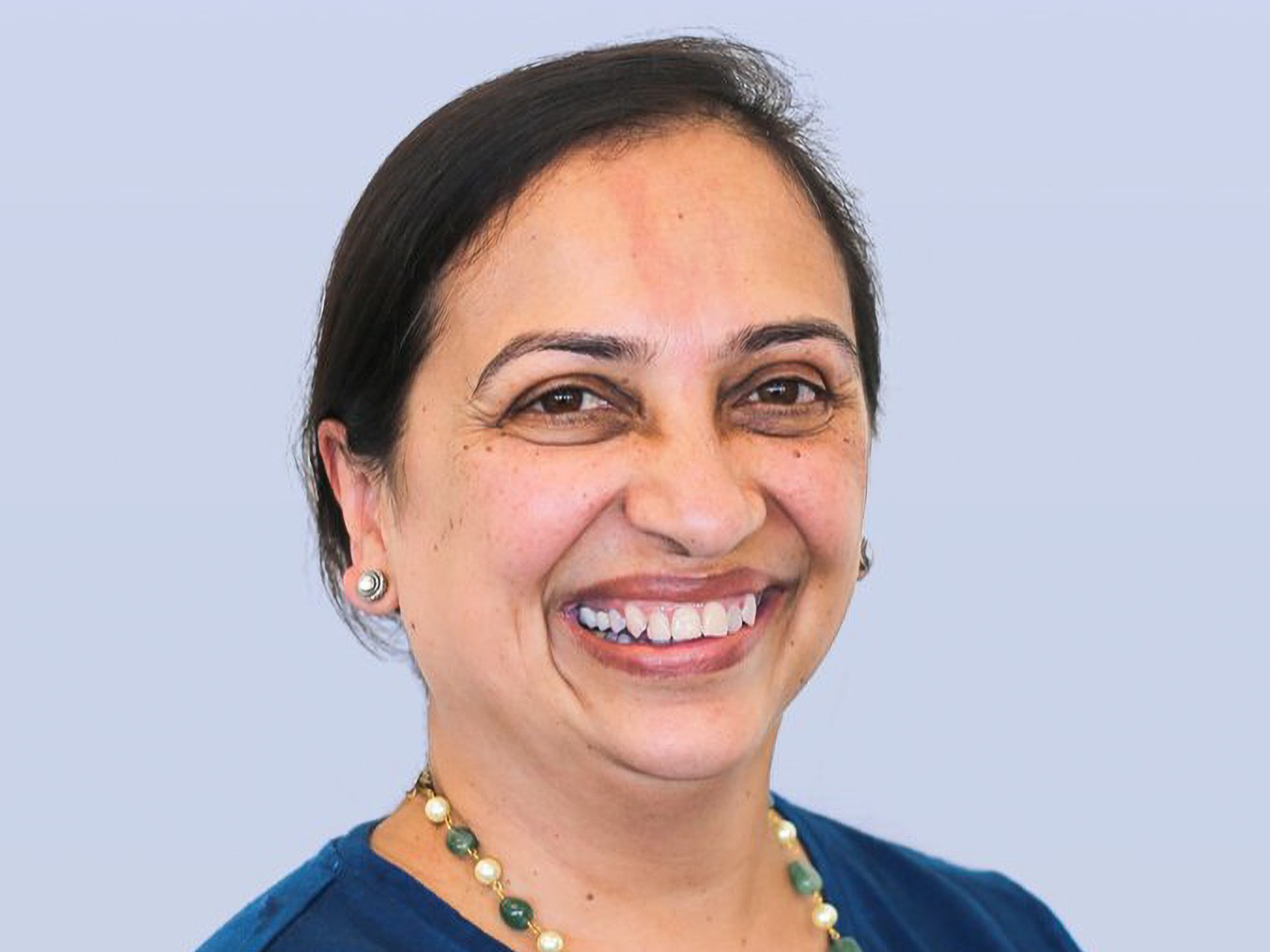
Vedika Bhandarkar, President, Water.org
Ahead of the Conference, GWI has asked thought leaders what their expectations are - and who they'd like to have dinner with.
What can this conference achieve that others have failed to?
Abu Dhabi can be the conference where commitments become action. The 2023 conference rallied the world around bold ambition. Now comes the toughest, yet the most exciting part: financing that ambition. Nearly 60% of the 2023 commitments came without a defined financial framework, so there’s a lot of ambition ready to be matched with money. Imagine if every commitment made here named its funding source, financial partners, and timeline. With the global goal of safe water and sanitation for all by 2030 fast approaching, that’s how we get there: by turning pledges into bankable pathways that put capital on the ground.
What single announcement, decision or deal would make the conference worthwhile for you?
Companies stepping forward with capital for water access. Every industry depends on water, from agriculture and manufacturing to the data centres powering AI, and many businesses are already investing in how they manage it. The next opportunity is to extend that investment to the communities and supply chains they rely on, where families are already paying to cope without safe water. If companies arrived in Abu Dhabi ready to put philanthropy and investment behind household financing and resilient water systems, it would be a win for their business and for millions of people. That’s the deal I’d most want to see.
What are you bringing to Abu Dhabi: a commitment, a deal, or an ask?
All three. On December 8, we’ll make a major funding and commitments announcement on the conference mainstage with partners from development finance, philanthropy and government. Today, most water funding goes to large infrastructure, while families who want safe water or a toilet at home rarely have a way to finance it. Our announcement is about changing that. The ask is for companies and investors to back domestic financial institutions with philanthropy and investment, so that affordable financing can reach far more families.
By dessert, they’d see how their pieces fit together.
What is the biggest obstacle to money reaching the sector, and who has the power to remove it?
Perception. Water and sanitation loans are small, and they don’t directly generate income, so they’re treated as risky.
Our experience shows the opposite. Families without safe water at home are already paying for it, often buying from vendors and tankers at a high cost. When they can get a small, affordable loan instead, they invest in a lasting solution at home. And they repay those loans: through Water.org’s WaterCredit solution, water and sanitation loans are repaid at a rate of about 98%.
The banks and investors that fund domestic financial institutions have the power to change this perception by recognising the track record these loans have built. Philanthropy can speed that shift by reducing early risk through guarantees and technical assistance.
Who would you invite to your dream UN Water Conference dinner?
I’d skip the usual guest list and seat the people who rarely share a table.
First, a woman who used a small loan to bring safe water into her home. She knows better than anyone what that water is worth. Next to her, the loan officer at the local financial institution who approved her loan. Then a finance minister drafting her country’s national water plan, who decides whether household financing has a place in it. Across from her, the head of a pension fund looking for long-term, stable investments in emerging markets. And finally, the CEO of a company whose operations and supply chains depend on water. By dessert, they’d see how their pieces fit together.